

Technology Partnership of Nagoya University, Inc.
World Class Research Contributing to Society

Dr. Toshinori Kinoshita
Professor
Institute of Transformative Bio-Molecules (ITbM)
Graduate School of Science
Nagoya University
BIO.
2013-present Professor, Institute of Transformative Bio-Molecules (ITbM), Nagoya University
2013-2022 Director, Center for Gene Research, Nagoya University
2010-present Professor, Graduate School of Science, Nagoya University
2007-2010 Associate Professor, Nagoya University
2003-2004 Visiting Scientist, Salk Institute (Prof. Joanne Chory)
1999-2007 Assistant Professor, Kyushu University
1994-1999 Research Associate, Kyushu University
1997 Ph.D., Kyushu University
Light-Induced Stomatal Opening and Its Impact on Plant Growth
Opening of stomata facilitates CO2 uptake for photosynthesis and transpiration, exerting a profound impact on plant growth and yield. The plasma membrane (PM) H+-ATPase plays a critical role in light-induced stomatal opening, with the phosphorylation of key residues—Thr948 and Thr881 (based on the Arabidopsis AHA1 sequence)—being essential for its activation. Recently, we identified that type 2C protein phosphatase clade Ds (PP2C.Ds) directly dephosphorylate both of these residues in guard cells.
To further explore stomatal regulation, we have employed genetic and chemical approaches. Notably, enhancing light-induced stomatal opening by overexpressing PM H+-ATPase in guard cells increased photosynthesis and plant growth. Conversely, suppressing stomatal opening using chemical treatments improved drought tolerance in plants. These findings underscore the potential of stomatal manipulation as an effective strategy for optimizing plant growth and resilience. Moreover, we successfully enhanced PM H+-ATPase expression in Arabidopsis through genome editing. In this presentation, I will share our recent advancements and discuss the potential applications of these approaches.
Selected Publication
Full list of Publication
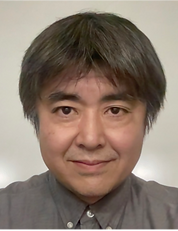
Dr. Daigo Takemoto
Professor
Plant Pathology Laboratory
Department of Plant Production Sciences
Graduate School of Bioagricultural Sciences
Nagoya University
BIO.
Education
2000 PhD in Agricultural Science, Nagoya University (Japan)
Professional Positions
2023-present Professor, Nagoya University (Japan)
2011-2023 Associate Professor, Nagoya University (Japan)
2007-2011 Assistant Professor, Nagoya University (Japan)
2005-2007 Postdoctoral fellow, Massey University (New Zealand)
2000-2004 Postdoctoral fellow, Australian National University (Australia)
1997-2000 JSPS Research Fellowship for Young Scientists (for PhD students), Nagoya University (Japan)
Activation of plant growth and immunity using biostimulants derived from natural substances
The plant cell surface contains a large number of receptors to sense external signals for activating appropriate responses. Representative signals recognized by plant cells include microbe-associated molecular patterns (MAMPs) and damage-associated molecular patterns (DAMPs). Plant growth, disease resistance, and abiotic stress tolerances can be controlled by using a combination of such substances, also referred to as biostimulants.
Chitin-oligosaccharide (CHOS), a primary component of fungal cell walls, is a typical MAMP, while plant cell wall-derived oligosaccharides, cello-oligosaccharides (COS) from cellulose and xylo-oligosaccharide (XOS) from hemicellulose, are representative DAMPs. Treatment of COS, XOS, or CHOS induced typical plant defense responses, including reactive oxygen species (ROS) production, phosphorylation of MAP kinase, callose deposition, and activation of defense-related transcription factors, but there were differences in the set of genes upregulated by treatment with these oligosaccharides. Moreover, a mixture of the three oligosaccharides (Oligo-mix) induced gene expression that was not stimulated by the single treatments, suggesting that cross-talk between signals recognized by different receptors activates more specific and effective plant responses. In practice, treatment of the Oligo-mix can promote the growth of tomato, cucumber and other crops, as well as enhance the resistance against fungal pathogens in greenhouse or fields, making them promising compounds for practical application.
Moreover, we recently identified 2 structurally different lipophilic MAMPs containing 9-methyl-4,8-sphingadienine (9Me-Spd) and 5,8,11,14-tetraene-type fatty acid (5,8,11,14-TEFA) as microbe-specific substructures, from the oomycete pathogen Phytophthora infestans. Treatment of these MAMPs can induce distinctive defense responses, but both molecules can significantly enhance the disease resistance of potato and other plants. By increasing the repertoire of plant immunizing and growth-promoting substances and mixing them appropriately, the development of biostimulant mixtures with more consistent effects in the field would be achieved.
Selected Publication
Full list of Publication
- Orcid

Dr. Mallory Choudoir
Assistant Professor & Soil Microbiome Extension Specialist
Department of Plant and Microbial Biology,
North Carolina State University
BIO.
Dr. Choudoir earned her PhD from Cornell University where she investigated biogeography of the soil bacteria Streptomyces. In addition to postdoctoral research positions at University of Colorado Boulder and University of Massachusetts Amherst, she was an industry scientist at Indigo Ag (Boston, MA) where she developed beneficial microbial seed treatments. She began her position as an Assistant Professor and Soil Microbiome Extension Specialist at NC State in 2022. The current goals of her program are to evaluate the efficacy and ecological impact of microbial biostimulants and to develop microbiome-centered solutions for meeting agronomic challenges.
Evaluating the efficacy and ecological impact of microbial biostimulants
Microbes are critical for crop health. Given the abundant and ecologically diverse plant-growth-promoting activities of microbes, microbial biostimulants are an exciting and rapidly expanding class of agronomic products. However, field performance varies significantly, and local data is often lacking. This ultimately hinders farmer adoption and product utility. I will discuss the results of a multi-year program evaluating field efficacy and ecological impact of microbial seed treatments on soybean production in North Carolina. We conduct small plot field trials across NC’s soybean production regions and leverage these results on-farm trials. In addition to plant metrics and soil nutrient data, we also collect soil and rhizosphere microbiome data. One way to improve scalability is to better understand the potential interactions between microbial biostimulants and native soil microbes.
Selected Publication
Full list of Publication

Dr. Ricardo Hernandez
CE-coalition
North Carolina State University
BIO.
Dr. Ricardo Hernández is an Associate Professor at North Carolina State University focused on controlled environment research focusing on maximizing plant responses through controlled environment optimization. He is also the director of the CEA-Coalition at NCSU (https://units.cals.ncsu.edu/cea/) which is a multidisciplinary, controlled environment research group comprised of research scientists, engineers and in close partnership with industry, the CEA Coalition aims to develop controlled environment agriculture (CEA) as an economically and environmentally sustainable option for agricultural practices by performing evidence-based, transformative research. Dr. Hernandez was recently awarded the “Early Career Faculty Leadership Award” from the American Society of Horticultural Sciences, the “Goodnight Early Career Innovator” at NC State University for his contributions to the controlled environment field, and the “Excellence in Teaching Award” from the College of Agriculture and Life Sciences. In addition, Dr. Hernández has a doctoral minor in entrepreneurship and the co-founder of two start-up companies.
Controlled Environment Agriculture from Science to Commercial Application
The Controlled Environment Horticulture (CEH) Lab at North Carolina State University, led by Dr. Ricardo Hernández, is dedicated to pioneering sustainable and efficient practices in controlled environment agriculture (CEA). Our research focuses on optimizing lighting, climate, and nutrient delivery systems to enhance crop quality, yield, and resource-use efficiency. By combining plant physiology and environmental engineering, the CEH Lab aims to address challenges in horticultural production within controlled environments, including vertical farms and greenhouses.
Our multidisciplinary team collaborates closely with industry partners to develop innovative, science-based solutions for real-world applications. Key areas of our research include the study of light spectrum effects on plant growth, CO₂ enrichment strategies, and resource optimization in closed production systems. These efforts are designed to drive sustainability by minimizing waste, conserving resources, and maximizing crop output in a way that is environmentally and economically viable.
This presentation will provide an overview of recent advancements from the CEH Lab, showcasing how our findings can transform controlled environment agriculture.
Selected Publication
Full list of Publication
- Official Website1, Official Website 2

Dr. Sidney Wilkerson-Hill
Assistant Professor
Department of Chemistry
University of North Carolina at Chapel Hill
BIO.
Sidney is currently an assistant professor in the Chemistry Department at UNC Chapel Hill where his research focuses on methods to obtain orphaned cyclopropanes. Sidney Hill was born in Kinston, North Carolina and began his undergraduate studies at North Carolina State University in 2006. He obtained a B.S. in Polymer and Color Chemistry through the College of Textiles, a B.S. in Chemistry through the College of Physical and Mathematical Sciences in 2010. In 2015, Sidney received his Ph.D. under the supervision of Prof. Richmond Sarpong from the University of California, Berkeley where his researched focused on using transition metal-catalyzed cycloisomerization reactions to access natural product scaffolds. Then, he was a UNCF-Merck postdoctoral fellow with Prof. Huw Davies at Emory University in Atlanta, GA where his research focused on developing novel reactions using N-sulfonyltriazoles and rhodium tetracarboxylate catalysts for C–H functionalization reactions. During his graduate studies, Sidney was also involved in diversity initiatives such as the Berkeley Science Network, and California Alliance programs to address disparities facing minorities pursuing careers in the physical sciences. Since starting at UNC, he has received the NIH MIRA Award, Camille Dreyfus Teacher-Scholar Award, Alfred P. Sloan Fellowship, NSF CAREER Award, ACS Herman Frasch Foundation grant, Eli Lilly ACC Grantee Award, FMC Young Investigator Award, the ACS Organic Letters Lectureship, and the Thieme Journal Award.
Orphaned Cyclopropanes
The goal of the Hill group is to develop new reactions to obtain pyrethroids, small molecules used to combat vectors for malaria (e.g., Anopheles gambiae). We are particularly interested in identifying new small molecule pyrethroids with enhanced photostability, reduced off target toxicological properties to beneficial pollinators, and reduced insect resistance profiles. To accomplish these goals, my research group is developing new routes to orphaned cyclopropanes, a structural motif found in many pyrethroids, by 1) developing new reactions to functionalize strained rings;
2) obtaining a mechanistic understanding of Group 10 metal alkylidenes; and
3) discovering new reagents that serve as carbene precursors. These methods to obtain orphaned cyclopropanes also enable the discovery of new cyclopropane-containing medicines, since they permit rational structure activity relationship studies at the 1,1-dialkyl position - a traditionally understudied portion of chemical space.
Selected Publication
Full list of Publication